

- English
 Español
 Português
 русский
 Français
 日本語
日本語 Deutsch
 tiếng Việt
 Italiano
 Nederlands
 ภาษาไทย
 Polski
 한국어
한국어 Svenska
 magyar
 Malay
Malay বাংলা ভাষার
 Dansk
Dansk Suomi
Suomi हिन्दी
 Pilipino
 Türkçe
 Gaeilge
 العربية
 Indonesia
 Norsk
Norsk تمل
تمل český
český ελληνικά
 український
 Javanese
 فارسی
فارسی தமிழ்
தமிழ் తెలుగు
 नेपाली
 Burmese
 български
 ລາວ
ລາວ Latine
 Қазақша
 Euskal
 Azərbaycan
 Slovenský jazyk
 Македонски
 Lietuvos
 Eesti Keel
 Română
 Slovenski

What Are the Common Defects in PCB Assembly and How to Avoid Them
These flaws can delay projects, inflate costs, and damage product reliability. So, what are these common pitfalls in the PCB Assembly process, and more importantly, how can you prevent them from affecting your boards? Let’s dive into the typical issues we encounter and how our approach at Greeting is engineered to tackle them head-on.
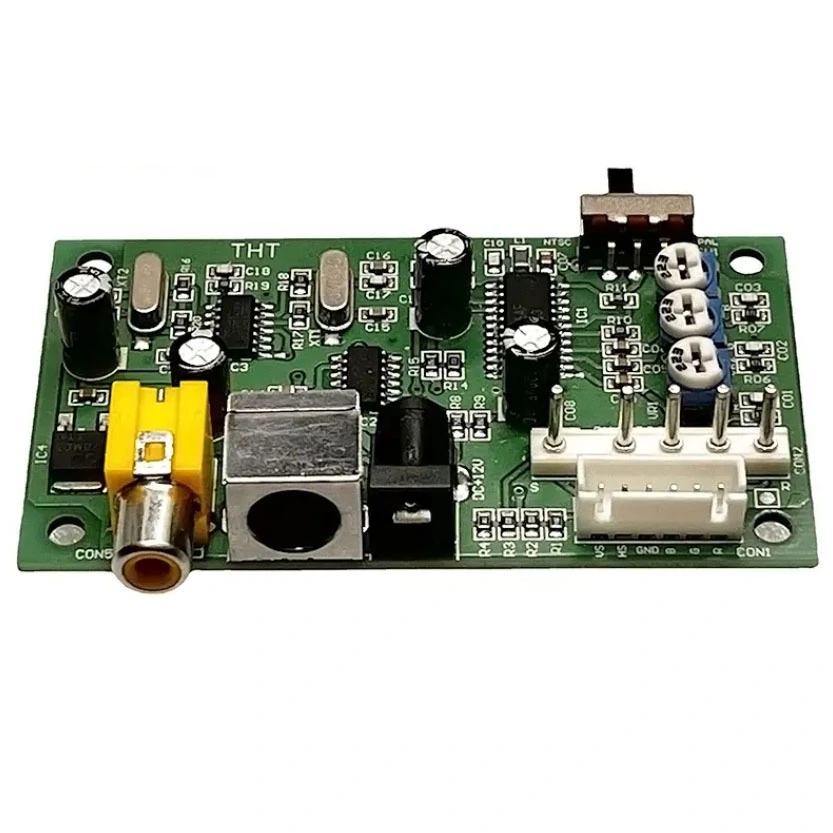
What Are the Most Frequent Soldering Defects in PCB Assembly
Poor soldering is a primary source of failure. Defects like cold joints, bridging, or insufficient solder can lead to intermittent connections or complete circuit failure. How do we combat this? Our process hinges on precision and control. We utilize a combination of advanced Soldering Paste Printing with laser-aligned stencils and rigorous reflow profiling. Specifically, our soldering parameters are finely tuned to your board’s unique characteristics.
-
Solder Paste: We use Type 4 or 5 no-clean, halide-free pastes with excellent slump resistance to prevent bridging.
-
Reflow Profile: Our 8-zone nitrogen-injected reflow ovens follow a optimized temperature curve, ensuring proper wetting without thermal shock.
-
Inspection: Every board undergoes 3D SPI (Solder Paste Inspection) to measure paste volume, area, and height before component placement.
This meticulous focus on the soldering phase of PCB Assembly ensures robust electrical and mechanical bonds from the start.
How Can Component Misplacement and Tombstoning Be Prevented
Incorrectly placed components or tombstoning (where a component stands on one end) render a board useless. This often stems from inaccurate placement machinery or uneven soldering forces. Our solution integrates high-precision automation with real-time verification.
Key Parameters of Our SMT Placement System:
| Feature | Specification | Benefit for Your PCB Assembly |
|---|---|---|
| Placement Accuracy | ±0.025mm | Guarantees correct component alignment, even for 01005 or micro-BGA packages. |
| Vision System | High-resolution upward/downward cameras with component verification. | Prevents misplacement of polarity-sensitive parts. |
| Force Control | Programmable placement pressure. | Eliminates damage to delicate components and PCB pads. |
By investing in such technology, Greeting ensures that every component is correctly positioned, a critical step for a flawless PCB Assembly.
What Causes PCB Shorts and Opens, and How Are They Eliminated
Shorts (unintended connections) and opens (broken connections) are classic PCB Assembly nightmares. They can originate from design flaws, etching issues, or contamination. Our defense is multi-layered. We start with a DFM (Design for Manufacturability) check to flag potential routing or spacing issues before production. During manufacturing, we maintain a certified cleanroom environment to prevent contamination that could cause electrochemical migration. Finally, 100% of our boards go through automated optical inspection (AOI) and electrical testing (like Flying Probe) to electrically verify connectivity and isolate any potential short or open circuit. This end-to-end vigilance is how we secure the integrity of your PCB Assembly.
Why Is Inadequate Cleaning a Hidden Threat to Assembly Reliability
Residue from flux or other contaminants might seem benign but can lead to long-term corrosion and dendritic growth, causing premature failure. Neglecting the cleaning stage compromises the entire PCB Assembly. We treat cleaning as a critical, non-negotiable final step. For boards requiring it, we employ an aqueous cleaning system with customized chemistry, followed by deionized water rinses and forced hot air drying. We then test for ionic contamination to meet IPC standards, ensuring your assembled boards are not just functional but also durable and reliable for years to come.
Avoiding these common defects isn’t just about having the right equipment—it’s about a commitment to a controlled, detail-oriented process. At Greeting, we build this philosophy into every order. We don’t just assemble boards; we build reliability. If you’re tired of battling PCB Assembly defects and want a partner dedicated to delivering flawless performance, it’s time to contact us today. Let’s discuss your project requirements—send us your inquiry and see the difference expertise makes.
Send Inquiry



X
We use cookies to offer you a better browsing experience, analyze site traffic and personalize content. By using this site, you agree to our use of cookies.
Privacy Policy