

- English
 Español
 Português
 русский
 Français
 日本語
 Deutsch
 tiếng Việt
 Italiano
 Nederlands
 ภาษาไทย
 Polski
 한국어
 Svenska
 magyar
 Malay
 বাংলা ভাষার
 Dansk
 Suomi
 हिन्दी
 Pilipino
 Türkçe
 Gaeilge
 العربية
 Indonesia
 Norsk
 تمل
 český
 ελληνικά
 український
 Javanese
 فارسی
 தமிழ்
 తెలుగు
 नेपाली
 Burmese
 български
 ລາວ
 Latine
 Қазақша
 Euskal
 Azərbaycan
 Slovenský jazyk
 Македонски
 Lietuvos
 Eesti Keel
 Română
 Slovenski

How Can a Fire Alarm PCBA Clone Improve Fire Detection Reliability and Manufacturing Efficiency
As fire safety requirements continue to evolve, manufacturers need reliable electronic circuit boards that deliver accurate detection, stable operation, and efficient integration. Greeting, a professional China-based electronics manufacturer specializing in PCB cloning, PCBA assembly, and electronic component supply, provides customized Fire Alarm PCBA Clone solutions designed to support different fire alarm system requirements. By combining advanced manufacturing technologies, carefully selected electronic components, and strict quality inspections, Greeting helps customers develop dependable fire alarm circuit boards for residential, commercial, and industrial applications.
A Fire Alarm PCBA Clone is a customized printed circuit board assembly developed by analyzing and reproducing the functional design of an existing fire alarm circuit board. It can help electronics manufacturers maintain product compatibility, replace discontinued circuit boards, optimize manufacturing costs, and improve supply chain flexibility. A reliable cloning process involves circuit analysis, component identification, PCB layout verification, prototype development, SMT assembly, and functional testing. This guide explains the major technical considerations, manufacturing specifications, application scenarios, and quality requirements that buyers should evaluate when selecting a fire alarm PCBA cloning supplier.
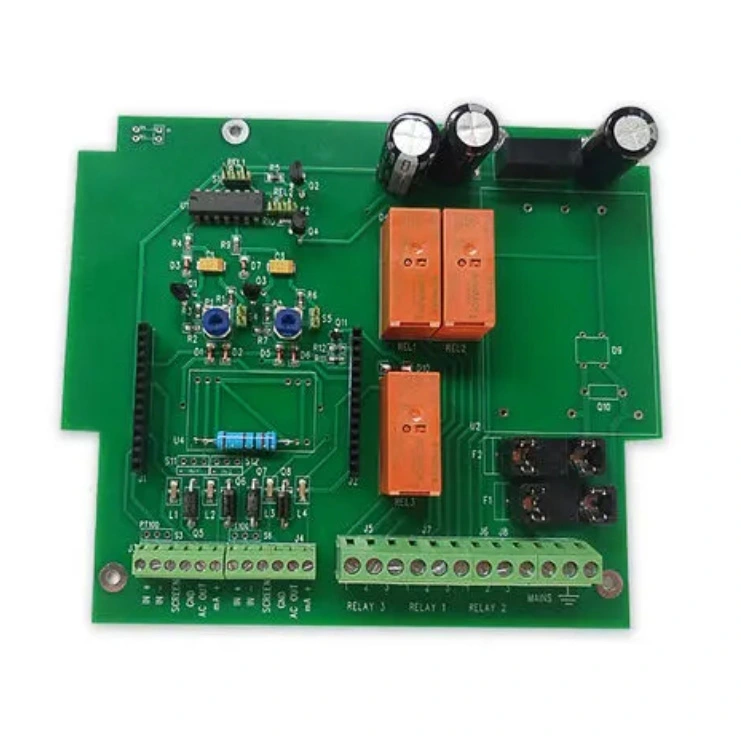
Table of Contents
1. What Is a Fire Alarm PCBA Clone?
2. Why Is Fire Alarm PCBA Cloning Important?
3. Key Components and Technical Features
4. Manufacturing Process of a Fire Alarm PCBA Clone
5. Important PCB Manufacturing Specifications
6. Applications Across Different Industries
7. How to Choose a Reliable PCBA Cloning Manufacturer
8. Manufacturing Quality & Engineering Assurance
10. Conclusion: Building More Reliable Fire Alarm Electronics
1. What Is a Fire Alarm PCBA Clone?
A Fire Alarm PCBA Clone is a reproduced or customized printed circuit board assembly based on the design, structure, and functional characteristics of an existing fire alarm PCBA. PCBA refers to a printed circuit board populated with electronic components, including integrated circuits, resistors, capacitors, sensors, transistors, and other electronic devices.
Unlike an ordinary bare PCB, a complete PCBA performs specific electronic functions through the interaction of its components and circuit architecture. In fire alarm equipment, these functions may include signal acquisition, smoke detection, temperature monitoring, signal processing, alarm activation, and communication with other safety devices.
Professional cloning requires more than simply copying the physical appearance of a circuit board. Engineers must understand the original circuit architecture, identify critical electronic components, analyze electrical connections, and verify that the reproduced assembly performs according to the intended design.
A typical Fire Alarm PCBA Clone project may involve:
- PCB reverse engineering: Analyzing the original board structure, copper connections, and circuit layout.
- Component identification: Identifying ICs, microcontrollers, sensors, diodes, transistors, and passive components.
- PCB fabrication: Reproducing the required board dimensions, layer structure, copper thickness, and surface finish.
- PCBA assembly: Installing electronic components through appropriate SMT or through-hole processes.
- Functional verification: Evaluating electrical performance and compatibility with the intended fire alarm system.
The ultimate objective is to produce a dependable circuit board that meets defined engineering requirements while supporting practical manufacturing and maintenance needs.
2. Why Is Fire Alarm PCBA Cloning Important?
Fire alarm manufacturers often face challenges when maintaining existing electronic products. Original circuit boards may become unavailable, electronic components may reach the end of their production lifecycle, or manufacturers may need to modify their existing designs to accommodate new application requirements.
A professional Fire Alarm PCBA Clone service offers several potential advantages.
2.1 Improved Product Replacement Flexibility
When an original circuit board becomes difficult to source, a reproduced PCBA can provide an alternative manufacturing solution. This is particularly valuable for equipment manufacturers maintaining established product lines or servicing older fire alarm systems.
2.2 Customized Engineering Solutions
Different fire alarm products require different circuit configurations. Through customized PCB and PCBA manufacturing, customers can specify board dimensions, component selections, electrical characteristics, and assembly requirements according to their projects.
2.3 Better Supply Chain Management
Working with a manufacturer offering PCB fabrication, electronic component sourcing, and PCBA assembly can simplify procurement. Integrating these services may reduce coordination between multiple suppliers and improve production scheduling.
2.4 Potential Manufacturing Cost Optimization
Component availability, production quantities, assembly methods, and board design all influence manufacturing costs. An engineering review can identify opportunities to improve material utilization and production efficiency without compromising required performance.
2.5 Easier System Integration
Compact circuit board designs can help manufacturers integrate electronic control functions into different fire detection devices and safety equipment. However, mechanical dimensions, electrical interfaces, communication protocols, and system compatibility must all be verified before production.
3. Key Components and Technical Features
The performance of a Fire Alarm PCBA Clone depends on the correct selection and coordination of its electronic components. Each component has a specific role in the detection, processing, and transmission of fire-related signals.
3.1 Smoke and Temperature Sensors
Smoke sensors and temperature sensors are important input devices in many fire alarm systems. They collect environmental information and convert physical changes into electrical signals that can be processed by the circuit board.
Sensor selection should consider sensitivity, response characteristics, operating temperature, electrical compatibility, and environmental conditions.
3.2 Microcontrollers and Integrated Circuits
Microcontrollers and integrated circuits process incoming signals and coordinate different electronic functions. Depending on the original design, they may support signal conditioning, alarm logic, communication, and system monitoring.
3.3 Resistors and Capacitors
Resistors and capacitors are fundamental components used for voltage regulation, signal filtering, timing, current limitation, and circuit stabilization. Their electrical ratings and tolerances should match the requirements of the original or approved replacement design.
3.4 Transistors, Diodes, and IGBTs
Semiconductor devices help control electrical signals and power distribution. Appropriate component selection is essential for maintaining circuit compatibility and reliable operation under specified working conditions.
3.5 Key Product Advantages
According to Greeting's product information, its Fire Alarm PCBA Clone solutions focus on several practical characteristics:
- High sensitivity through the integration of suitable smoke and temperature sensing components.
- Compact construction for easier integration into fire safety equipment.
- Stable operation supported by quality electronic components and manufacturing processes.
- Customized configurations for different customer requirements.
- Convenient installation and maintenance considerations.
- Application flexibility across residential, commercial, educational, healthcare, and industrial environments.
These characteristics provide a foundation for developing fire alarm electronics that meet specific product design and manufacturing requirements.
4. Manufacturing Process of a Fire Alarm PCBA Clone
Producing a dependable Fire Alarm PCBA Clone requires a systematic manufacturing workflow. Each stage contributes to electrical accuracy, assembly consistency, and final product quality.
Step 1: Original PCB Analysis
The process begins with evaluating the original circuit board or available engineering documentation. Engineers examine board dimensions, component positions, electrical connections, layer structures, and functional requirements.
When necessary, circuit tracing and reverse engineering help establish the information required for reproducing the design.
Step 2: BOM Identification and Component Verification
The Bill of Materials (BOM) identifies the components required for assembly. Engineers verify component specifications, package types, electrical parameters, availability, and potential replacement options.
Step 3: PCB Layout and Fabrication
After design verification, the PCB enters fabrication. This stage may include copper pattern production, drilling, plating, solder mask application, surface finishing, and electrical inspection.
Step 4: SMT and Through-Hole Assembly
Electronic components are installed using suitable assembly technologies. Surface Mount Technology (SMT) supports compact component placement, while through-hole assembly may be required for certain connectors or components.
Step 5: Inspection and Functional Testing
After assembly, the PCBA undergoes appropriate inspection and testing. Depending on project requirements, this may include visual inspection, solder joint examination, electrical continuity checks, and functional verification using approved test procedures.
Step 6: Packaging and Delivery
Qualified products are packaged according to customer requirements to protect electronic assemblies during transportation and storage. Shipping arrangements can be coordinated through international logistics providers.
Manufacturing workflow overview:
- Original board evaluation and engineering analysis.
- Circuit design verification and BOM preparation.
- PCB fabrication and material inspection.
- Electronic component sourcing and verification.
- SMT or through-hole assembly.
- Electrical inspection and functional testing.
- Final quality confirmation and shipment.
5. Important PCB Manufacturing Specifications
Technical specifications are important when evaluating whether a manufacturer can reproduce a particular fire alarm circuit board. Different projects may require different board structures, copper thicknesses, drilling dimensions, and electrical characteristics.
Greeting provides customized PCB and PCBA manufacturing services with the following published technical capabilities:
| Technical Parameter | Greeting's Published Specification | Engineering Consideration |
|---|---|---|
| Service Scope | PCB / PCBA / SMT / BOM List | Integrated manufacturing and component sourcing |
| Copper Thickness | 1–4 oz | Current capacity and thermal requirements |
| Minimum Aperture | 0.15 mm | Drilling and interconnection requirements |
| Minimum Line Width | 0.1 mm | Circuit routing density |
| Minimum Line Spacing | 0.1 mm | Electrical clearance and layout density |
| Surface Treatment | OSP, immersion gold, immersion tin, immersion silver | Solderability and application requirements |
| Board Size | OEM customization | Mechanical dimensions and installation compatibility |
| Maximum Aspect Ratio | 10:1 | Drilling and plating considerations |
| Impedance Control Accuracy | ±8% | Signal integrity for applicable circuits |
| Maximum Board Size | 630 × 1100 mm | Manufacturing size capability |
| Maximum Layers | 40 layers | Complex multilayer circuit requirements |
| Certifications | ISO 9001, ISO/TS 16949, RoHS | Quality management and material compliance documentation |
Note: These figures represent Greeting's published manufacturing capabilities, not mandatory specifications for every fire alarm board. Actual production parameters should be confirmed according to the approved drawings, BOM, electrical design, and project requirements.
How to Select the Right PCB Specifications
When requesting a quotation, buyers should pay particular attention to the following factors:
- Board thickness and mechanical dimensions.
- Number of PCB layers and copper weight.
- Minimum trace width and spacing.
- Drill sizes and via structures.
- Surface finish and solderability requirements.
- Controlled impedance requirements, where applicable.
- Component package compatibility.
- Environmental and electrical operating conditions.
Correct specification matching helps minimize design deviations and improves the efficiency of prototype development and mass production.
6. Applications Across Different Industries
Fire alarm electronics are used in environments where early detection and timely warning are essential. A customized Fire Alarm PCBA Clone can support the development or maintenance of different electronic fire detection products.
Residential Buildings
Residential fire alarm devices use electronic sensing and processing circuits to identify potential fire conditions and activate warning functions. Compact PCB assemblies are useful for smoke detectors and integrated household safety equipment.
Commercial Buildings and Offices
Shopping centers, office buildings, hotels, and public facilities often require coordinated fire detection systems. Reliable circuit boards help support the electronic functions of individual detection and alarm devices.
Schools and Hospitals
Educational and healthcare facilities require carefully designed fire safety systems. Electronic assemblies must be compatible with the relevant detection equipment and applicable safety requirements.
Industrial Facilities
Factories, warehouses, and production facilities may operate in environments involving temperature variations, electrical interference, dust, and other challenging conditions. Appropriate component selection and PCB design are important for dependable operation.
Fire Safety Equipment Manufacturers
OEMs and electronic product developers can use customized PCBA manufacturing to support new product development, replacement board production, and ongoing equipment maintenance.
It is important to recognize that a reproduced circuit board does not automatically establish compliance of the complete fire alarm system. Finished products must undergo the applicable evaluation, certification, and system-level testing before commercial deployment.
7. How to Choose a Reliable PCBA Cloning Manufacturer
Selecting an experienced manufacturing partner is essential for maintaining product consistency and minimizing technical risks. A competitive quotation should not be the only consideration when purchasing a Fire Alarm PCBA Clone.
Buyers should evaluate the following factors before choosing a supplier.
7.1 PCB and PCBA Manufacturing Capabilities
Look for a manufacturer that can provide the required PCB fabrication, SMT assembly, electronic component sourcing, and engineering support. Integrated capabilities can simplify communication and production coordination.
7.2 Component Sourcing and BOM Management
Component authenticity, availability, and specification compatibility directly affect assembly quality. Ask whether the supplier can provide BOM verification and communicate any proposed component substitutions before production.
7.3 Engineering and Customization Support
A qualified manufacturer should be able to evaluate original circuit boards, understand technical documentation, and discuss practical manufacturing alternatives. This is especially important when dealing with obsolete components or incomplete design files.
7.4 Quality Control Procedures
Review the supplier's inspection procedures and available testing capabilities. Depending on the project, relevant quality activities may include:
- Incoming electronic component inspection.
- PCB dimensional and visual inspection.
- Solder paste and SMT placement inspection.
- Automated Optical Inspection (AOI), where applicable.
- Electrical continuity and isolation testing.
- Functional testing against approved specifications.
- Final assembly and packaging inspection.
7.5 Communication and Delivery Management
Clear technical communication helps prevent misunderstandings about drawings, component substitutions, testing standards, and delivery requirements. A supplier should provide transparent project updates and confirm important engineering changes before implementation.
For additional information about related manufacturing capabilities, buyers can explore Greeting's PCB Assembly Service and PCB Clone solutions.
8. Manufacturing Quality & Engineering Assurance
Quality assurance is particularly important in fire alarm electronics because circuit board performance can influence the operation of life-safety equipment. A professional manufacturing process should focus on repeatability, component traceability, electrical verification, and documented engineering requirements.
Greeting emphasizes customized production and strict quality inspection for its Fire Alarm PCBA Clone products. Its published manufacturing capabilities and service scope support customers seeking PCB fabrication, component sourcing, and assembly solutions.
Essential Quality Assurance Considerations
- Design consistency: Verify that the reproduced PCB follows the approved engineering documentation.
- Component quality: Confirm component specifications, sourcing information, and suitability for the intended application.
- Assembly precision: Control soldering quality, component positioning, and assembly consistency.
- Electrical performance: Verify continuity, insulation, and other relevant electrical parameters.
- Functional reliability: Test the assembled circuit under defined operating conditions.
- Documentation: Maintain relevant BOM revisions, inspection records, and test results.
Why Does Testing Matter for Fire Alarm PCBAs?
A circuit board that passes visual inspection may still contain electrical or functional problems. Incorrect component values, soldering defects, signal interference, or incompatible replacement components can affect circuit behavior.
Therefore, the testing strategy should be based on the original design and intended operating environment. Where the board forms part of certified fire detection equipment, any redesign or component substitution should also be evaluated against the applicable product certification and regulatory requirements.
Choosing a manufacturer with integrated engineering and assembly capabilities can help customers establish a more controlled production process and improve the consistency of finished electronic assemblies.
9. Frequently Asked Questions
Q1: What is the main purpose of a Fire Alarm PCBA Clone?
A Fire Alarm PCBA Clone reproduces or customizes an existing fire alarm circuit board to support product replacement, manufacturing continuity, equipment maintenance, or new product development. Its objective is to achieve the required electrical and functional characteristics based on an approved engineering design.
Q2: Can Greeting provide customized Fire Alarm PCBA Clone services?
Yes. Greeting provides customized PCB and PCBA manufacturing services. Its product information highlights engineering customization, component sourcing, PCB fabrication, SMT assembly, and quality inspection. Customers can discuss their specific board requirements with the company before starting production.
Q3: What information is required to request a PCBA cloning quotation?
To improve quotation accuracy, buyers should prepare as much of the following information as possible:
- Original PCB or PCBA samples.
- Gerber files or PCB design documents, if available.
- BOM and component specifications.
- Board dimensions and layer requirements.
- Assembly drawings and testing requirements.
- Estimated order quantity and delivery expectations.
If some engineering files are unavailable, the manufacturer can evaluate the supplied physical samples and determine whether reverse engineering is feasible.
Q4: Which electronic components are commonly used in fire alarm PCBAs?
Common components include microcontrollers, integrated circuits, smoke sensors, temperature sensors, resistors, capacitors, diodes, and transistors. The actual component configuration depends on the fire alarm product's circuit architecture and functional requirements.
Q5: What PCB surface finishes are available from Greeting?
Greeting lists OSP, immersion gold, immersion tin, and immersion silver among its available PCB surface treatments. The appropriate finish depends on soldering requirements, storage conditions, component assembly processes, and project specifications.
Q6: Can a cloned fire alarm PCBA replace the original board directly?
Not automatically. Direct replacement requires verification of electrical interfaces, board dimensions, firmware compatibility, component specifications, communication protocols, and system-level functions. Any necessary regulatory or certification evaluation must also be completed before the replacement is used in a life-safety application.
Q7: Does Greeting support electronic component sourcing and BOM services?
Yes. Greeting's published service scope includes PCB, PCBA, SMT, and BOM list services. Its component categories include ICs, microcontrollers, diodes, sensors, transistors, IGBTs, and other electronic components.
Q8: What certifications and manufacturing capabilities does Greeting list?
Greeting lists ISO 9001, ISO/TS 16949, and RoHS in its product specifications. Its published PCB capabilities include up to 40 layers, copper thickness from 1 to 4 oz, and a maximum board size of 630 × 1100 mm. Buyers should confirm the applicable certification documentation and specific production capabilities for their projects.
10. Conclusion: Building More Reliable Fire Alarm Electronics
A professionally manufactured Fire Alarm PCBA Clone can help electronics manufacturers address circuit board replacement challenges, maintain product availability, and develop customized fire detection equipment. However, successful cloning requires careful engineering analysis, suitable electronic components, accurate PCB fabrication, controlled assembly, and comprehensive functional verification.
When evaluating a PCBA supplier, buyers should look beyond production pricing and consider engineering capabilities, BOM management, manufacturing flexibility, quality inspection, and technical communication. These factors help establish a dependable foundation for long-term electronic product manufacturing.
With customized PCB and PCBA services, electronic component sourcing, and strict quality inspection, Greeting supports customers looking for practical fire alarm circuit board manufacturing solutions. Whether you need an existing circuit board reproduced, a customized PCBA developed, or a complete PCB assembly manufacturing partner, Greeting can discuss your technical requirements and production goals. Contact us today to share your PCB samples, Gerber files, BOM, or project specifications and discover how Greeting can support your next Fire Alarm PCBA Clone project with professional manufacturing solutions.
Send Inquiry



X
We use cookies to offer you a better browsing experience, analyze site traffic and personalize content. By using this site, you agree to our use of cookies.
Privacy Policy